

Transform Your Projects with Photorealistic 3D Videos Visualization
Introduction
Visual communication has evolved dramatically over the past decade, and nowhere is this transformation more evident than in the widespread adoption of Professional 3D Videos Services across technical and commercial sectors. As organizations tackle increasingly complex projects involving intricate infrastructure systems, multifaceted architectural designs, and sophisticated industrial processes, the limitations of traditional communication methods have become apparent. Static drawings and conventional photography simply cannot convey the spatial relationships, operational sequences, and design intentions that modern stakeholders need to understand.
In 2026, three-dimensional video production has matured into an essential communication tool that bridges the gap between technical complexity and stakeholder comprehension. From government agencies evaluating major infrastructure proposals to corporate clients assessing facility designs, decision-makers increasingly expect dynamic visual presentations that bring projects to life before construction begins. This shift reflects recognition that effective visualization accelerates approvals, reduces misunderstandings, builds consensus, and ultimately contributes to superior project outcomes.
What Are 3D Videos?
Three-dimensional videos are animated visual presentations created through computer-generated imagery that depicts objects, environments, or processes with realistic depth, perspective, and movement. Unlike conventional video footage captured by cameras, 3D animation videos are constructed entirely within digital environments using specialized software that simulates real-world physics, lighting, materials, and spatial relationships.
The fundamental difference between two-dimensional and three-dimensional video content lies in how viewers experience the subject matter. Traditional 2D videos present fixed perspectives determined by camera positions and angles. In contrast, 3D visualisation videos enable creators to position virtual cameras anywhere within digital environments, moving through spaces that don’t yet exist, zooming into microscopic details, or pulling back to reveal entire project contexts—all with photorealistic quality that makes virtual content indistinguishable from physical reality.
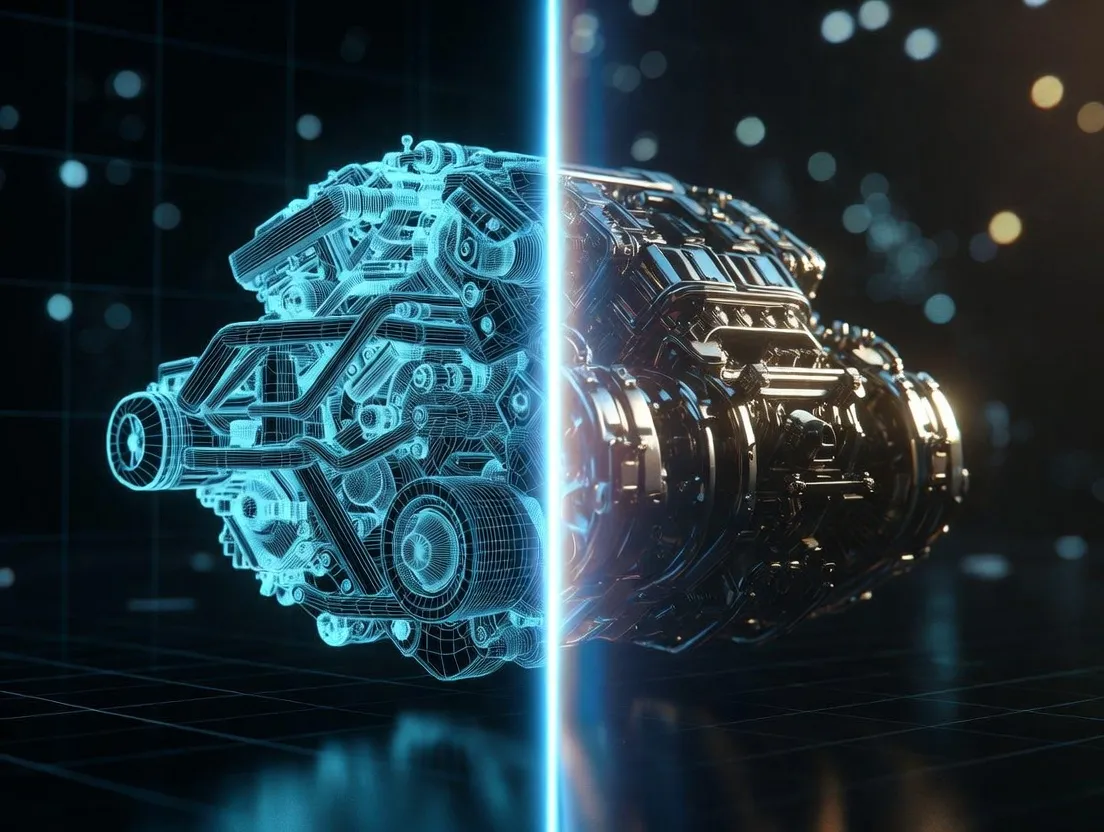
Modern 3D video production integrates seamlessly with engineering workflows. Architectural walkthrough videos derive directly from Building Information Models, ensuring dimensional accuracy and design consistency. Engineering 3D videos incorporate actual project specifications, material properties, and construction methodologies rather than artistic interpretations. This technical foundation transforms videos from merely impressive visuals into reliable communication tools that support genuine decision-making processes.
Why 3D Videos Are Important for Modern Businesses
Organizations investing in professional 3D video capabilities report measurable improvements across multiple performance indicators that directly impact project success and business competitiveness.
- Better Visual Understanding: Complex spatial configurations, construction sequences, and system operations become immediately comprehensible when presented through animated visualization. Stakeholders without technical training grasp design concepts that would require hours of explanation using conventional documentation. This clarity proves particularly valuable when presenting to regulatory authorities, elected officials, community groups, and corporate executives who must make informed decisions without engineering backgrounds.
- Higher Engagement: Human attention spans challenge traditional presentation formats, yet dynamic visual content maintains viewer interest throughout lengthy technical presentations. Product 3D videos showcase features and benefits in compelling formats that hold audience attention. Project stakeholders watch architectural fly-through videos completely, absorbing information that written reports or static renderings would fail to communicate effectively.
- Faster Decision-Making: When stakeholders immediately understand proposals through clear visualization, the iterative cycles of questions, clarifications, and revisions compress dramatically. Planning authorities appreciate explainer 3D videos that communicate project impacts concisely, accelerating approval processes that traditionally consume months. Corporate clients make confident procurement decisions after viewing industrial 3D animation that demonstrates equipment capabilities comprehensively.
- Improved Client Presentations: Professional video production elevates proposal quality and differentiates organizations in competitive selection processes. Well-executed visualization demonstrates technical sophistication, attention to detail, and commitment to clear communication—qualities that influence client confidence beyond the specific project content being presented. DS Technoverse clients consistently report that professional 3D videos strengthen their competitive positioning during procurement processes and client development efforts.
Applications of 3D Videos Across Industries
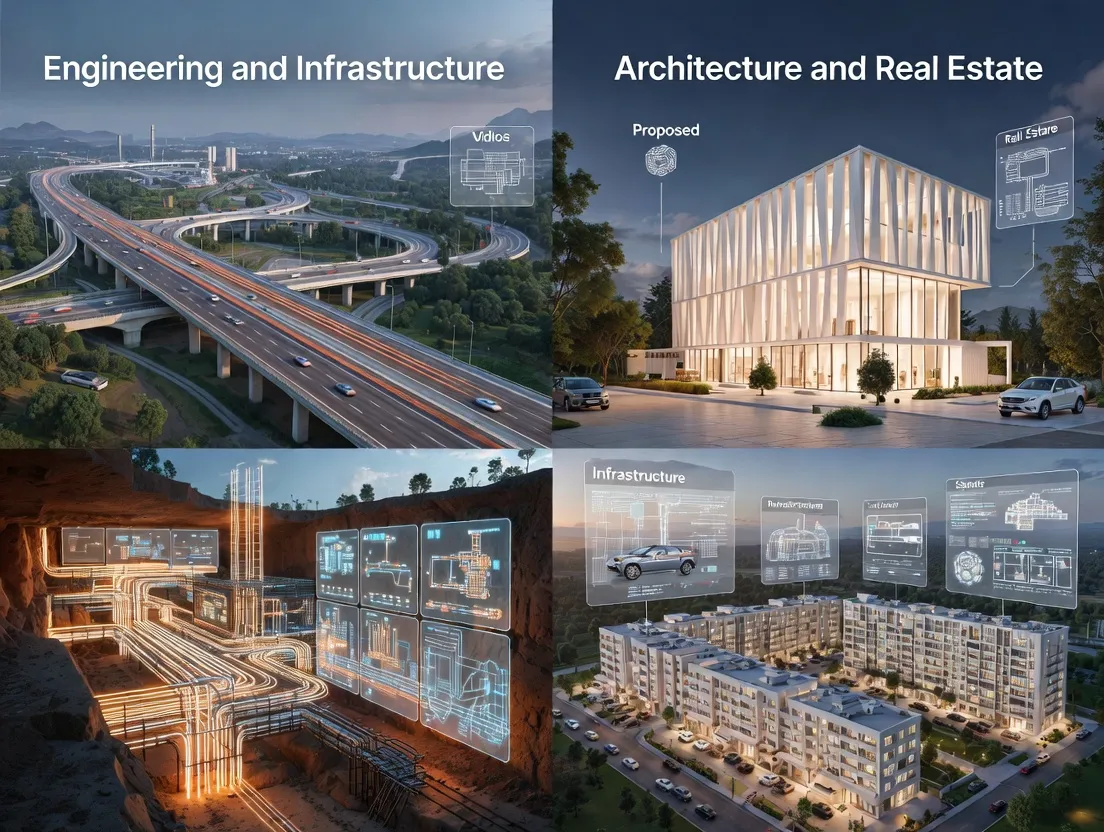
Engineering and Infrastructure: Transportation agencies use corridor fly-through videos to communicate highway alignments, interchange configurations, and construction phasing to communities affected by major projects. Engineering 3D videos explain complex construction methodologies, temporary works sequences, and traffic management strategies that static diagrams cannot adequately convey. Utility companies visualize underground infrastructure networks, demonstrating how water, sewer, power, and telecommunications systems integrate within constrained rights-of-way.
Architecture and Real Estate: Architectural practices leverage walkthrough videos to guide clients through proposed buildings before construction begins, experiencing spatial qualities, circulation patterns, daylighting conditions, and material selections. Real estate developers market unbuilt properties through immersive videos that enable prospective buyers to understand unit layouts, amenity spaces, and neighborhood contexts. These visualization capabilities transform sales processes and support pre-construction marketing strategies that weren’t feasible with traditional methods.
Manufacturing and Industrial Projects: Industrial facilities employ product demonstration videos that explain equipment operation, assembly procedures, and maintenance requirements without requiring physical prototypes or equipment access. Manufacturing companies use 3D animation to visualize production processes, facility layouts, and workflow optimization before committing capital to physical installations. These applications support both internal planning processes and external sales communications.
Marketing and Product Demonstrations: Companies across sectors leverage 3D video production to showcase products, services, and organizational capabilities in formats that engage audiences more effectively than conventional marketing materials. Product 3D videos enable sales teams to demonstrate features comprehensively without physical inventory constraints. Corporate communications departments use explainer videos to communicate value propositions, innovations, and competitive differentiators across digital platforms, trade shows, and client presentations.
The Integration of Reality Capture and 3D Videos
Contemporary 3D video production increasingly incorporates reality capture technologies—laser scanning, photogrammetry, and drone imagery—that document existing conditions with millimeter precision. This integration enables videos that accurately depict how new projects interact with existing environments, showing proposed buildings within actual neighborhood contexts, infrastructure improvements along real corridors, or facility expansions integrated with operating plants. This fusion of digital design and physical reality strengthens video credibility and supports more informed stakeholder evaluation.
Role of 3D Videos in Planning and Development Projects
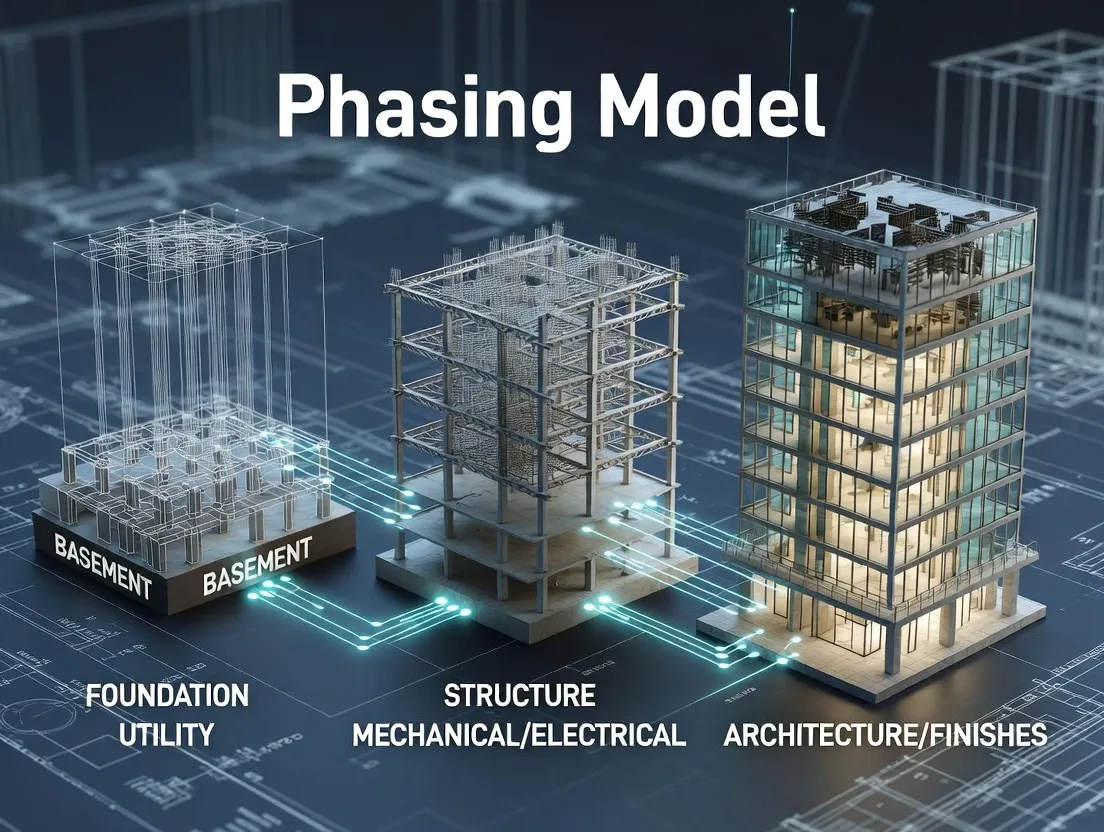
Planning and development processes particularly benefit from strategic video deployment throughout project lifecycles. Concept clarity improves dramatically when complex proposals are communicated through structured visual narratives that systematically explain spatial relationships, functional operations, phasing sequences, and contextual integration. Planning committees and regulatory agencies increasingly expect video submissions as standard components of major project applications.
Risk reduction follows from improved stakeholder understanding early in development processes. When clients, authorities, and community members grasp proposals clearly through 3D visualisation videos, concerns surface earlier and can be addressed through design refinement rather than expensive post-approval modifications or construction changes. This proactive engagement reduces project risks and strengthens implementation certainty.
Stakeholder communication spans diverse audiences including technical experts, elected officials, community representatives, and general public participants. Each group requires different levels of detail, technical sophistication, and contextual information. Professional 3D videos production enables organizations to develop content appropriately tailored to each audience, ensuring effective communication across stakeholder groups without oversimplifying technical content or overwhelming non-technical viewers.
Government agencies and corporate clients increasingly incorporate video requirements into procurement specifications, recognizing that comprehensive visual communication supports transparent decision processes, public accountability, and effective governance. DS Technoverse works extensively with public sector clients to develop videos that meet regulatory requirements while serving genuine communication needs rather than simply fulfilling technical compliance checkboxes.
How DS Technoverse Delivers High-Quality 3D Videos
DS Technoverse approaches every video project by first understanding communication objectives, target audiences, and how content will function within broader project workflows. We begin with detailed briefings that clarify technical requirements, key messages, critical viewpoints, approval processes, and delivery formats that videos must support.
Professional Workflow Integration: Our production processes integrate directly with client design environments, drawing from engineering models, architectural BIM databases, GIS systems, and reality capture data to ensure accuracy and consistency. We work with AutoCAD, Revit, Civil 3D data alongside specialized animation platforms including 3ds Max, Maya, and industry-leading rendering engines. This integration ensures videos reflect design intent accurately rather than artistic interpretations disconnected from technical reality.
Data-Driven Visualization: DS Technoverse emphasizes data-driven approaches that ground visualization in project specifications, engineering calculations, and construction methodologies. Dimensions, materials, spatial relationships, and operational sequences derive from actual project data rather than generic assumptions. This rigor ensures videos serve as reliable communication tools that stakeholders can trust when making consequential decisions.
Industry-Standard Tools and Techniques: Our technology stack encompasses the complete production pipeline from modeling and texturing through animation, lighting, rendering, and post-production. We employ physically-based rendering that simulates real-world lighting and material behavior, producing photorealistic imagery that accurately represents how completed projects will appear. Motion graphics, text overlays, voiceover narration, and musical scoring are integrated professionally to support clear communication without distracting from technical content.
Custom Solutions for Client Needs: We recognize that different projects require different approaches. Infrastructure projects may emphasize construction sequencing and community impact mitigation. Architectural projects might focus on experiential qualities and design excellence. Industrial applications often prioritize functional demonstration and technical accuracy. DS Technoverse tailors production approaches, visual styles, pacing, duration, and delivery formats to project-specific requirements rather than applying standardized templates that compromise communication effectiveness.
Advanced 3D Modelling Solutions for 2026
In the rapidly evolving landscape of modern infrastructure and engineering, relying on traditional 2D drafts is no longer sufficient. To achieve true precision and operational efficiency, forward-thinking organizations are turning to Professional 3D Modelling Services. These advanced digital solutions allow architects and engineers to create data-rich virtual prototypes that integrate seamlessly with BIM workflows. By visualizing complex geometries and detecting structural clashes before construction begins, 3D modelling significantly reduces project risks and costs, ensuring that today’s designs meet the rigorous demands of tomorrow’s smart cities and industrial developments.
Conclusion
The evolution of 3D video technology from specialized visualization tool to mainstream communication medium reflects fundamental shifts in how technical projects are conceived, developed, and delivered. As projects grow more complex, stakeholder groups more diverse, and approval processes more rigorous, the ability to communicate clearly through dynamic visual content becomes increasingly critical to project success.
Organizations that embrace professional 3D video capabilities position themselves advantageously in competitive environments where clear communication differentiates successful proposals from unsuccessful ones. The investment in quality visualization pays returns through faster approvals, reduced misunderstandings, stronger client relationships, and ultimately superior project outcomes. For firms committed to communication excellence and stakeholder engagement, professional 3D videos production represents not merely a presentation enhancement but a strategic capability that supports organizational objectives across project lifecycles and business development efforts.
Frequently Asked Questions
What are 3D videos used for?
3D videos communicate complex spatial concepts, construction sequences, operational processes, and design proposals through animated visual content. Applications include project presentations, tender submissions, regulatory approvals, public consultations, client engagement, training materials, and marketing communications across architecture, engineering, infrastructure, industrial, and commercial sectors. Videos enable stakeholders to understand technical proposals without specialized expertise.
How do 3D videos help in engineering projects?
Engineering projects use 3D videos to explain construction methodologies, demonstrate system interactions, communicate temporary works sequences, illustrate phasing strategies, and visualize operational characteristics. Videos help diverse stakeholders understand technical proposals clearly, supporting faster approvals, reducing misunderstandings, building consensus, and minimizing costly revisions during construction phases. Visual communication proves particularly effective when engaging regulatory authorities, community groups, and non-technical decision-makers.
Are 3D videos useful for infrastructure planning?
Infrastructure planning relies heavily on 3D videos to communicate corridor alignments, assess visual impacts, explain construction phasing, demonstrate traffic management strategies, and illustrate how projects integrate with existing environments. Videos support transparent decision processes, facilitate public engagement, and help regulatory agencies evaluate proposals comprehensively. Government agencies increasingly expect video submissions as standard components of major infrastructure applications.
Why choose professional 3D video services?
Professional video services ensure technical accuracy, visual quality, narrative effectiveness, and communication alignment with project objectives. Experienced providers understand industry standards, regulatory requirements, and stakeholder expectations. They integrate with design workflows, maintain precision, employ appropriate production techniques, and deliver content that serves genuine project needs rather than simply producing impressive visuals. Professional quality strengthens stakeholder confidence and competitive positioning.
How long does 3D video production take?
Production timelines depend on video complexity, duration, detail level, animation requirements, and revision cycles. Simple concept videos may require one to two weeks while comprehensive project visualizations involving detailed environments, multiple sequences, and extensive animation may require several weeks to months. Clear project scoping, efficient workflows, early stakeholder alignment, and decisive review processes minimize timelines while maintaining quality standards that support project objectives.
Transform Your Project Communication with Professional 3D Videos
Partner with DS Technoverse to create compelling visual narratives that clarify complex concepts and accelerate stakeholder understanding.
Explore Our Video Services