

3D Modelling: Transforming Design, Engineering, and Infrastructure in 2026
Introduction
The construction and engineering sectors have undergone remarkable transformation over the past decade, with digital technologies reshaping how projects are conceptualized, planned, and executed. Among these innovations, 3D Modelling has emerged as an indispensable tool that bridges imagination and reality. In 2026, three-dimensional digital representation of physical objects and spaces has become fundamental to delivering complex infrastructure projects, architectural designs, and industrial facilities with precision and efficiency.
From towering skyscrapers and expansive highway networks to intricate mechanical assemblies and urban master plans, 3D Modelling enables professionals to visualize, analyze, and refine their designs before a single brick is laid or component manufactured. This capability not only accelerates project timelines but also significantly reduces costly errors, improves stakeholder communication, and ensures compliance with increasingly stringent regulatory requirements. As we navigate the demands of sustainable development and smart infrastructure, digital modeling has become the cornerstone of modern engineering practice.
What is 3D Modelling?
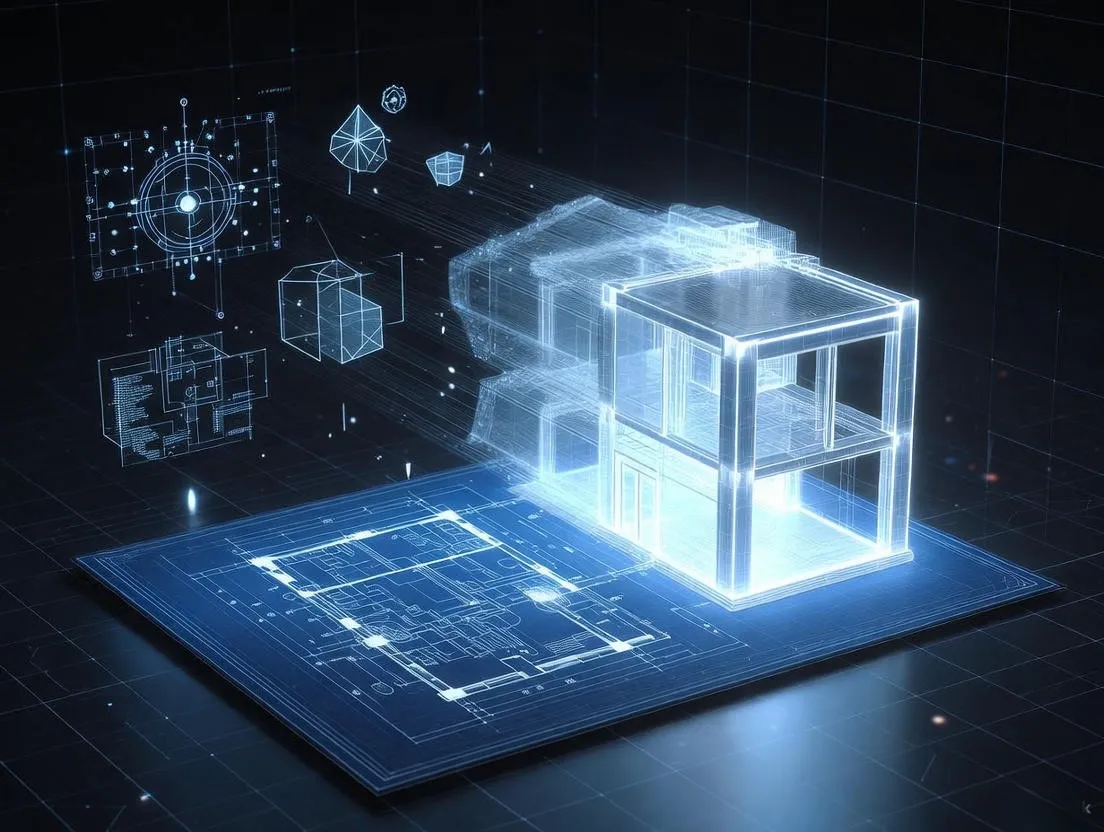
Three-dimensional modelling is the process of creating mathematical representations of objects or environments in digital space, complete with length, width, and depth dimensions. Unlike traditional two-dimensional drawings that show projects from limited viewpoints, 3D visualization allows stakeholders to experience designs from any angle, navigate through virtual spaces, and understand spatial relationships with remarkable clarity.
The technology employs specialized CAD modeling software that translates design concepts into detailed digital representations. Engineers input dimensions, material properties, structural specifications, and functional requirements to build accurate virtual prototypes. These digital models serve multiple purposes throughout project lifecycles—from initial concept development and design refinement to construction coordination and facility management. Modern 3D design services integrate seamlessly with BIM modeling workflows, enabling comprehensive project information management alongside geometric visualization.
Importance of 3D Modelling in Modern Projects
The adoption of 3D Modelling across industries stems from tangible benefits that directly impact project success metrics. Organizations that embrace digital modeling consistently demonstrate superior project outcomes compared to those relying solely on conventional documentation methods.
Enhanced Accuracy and Precision: Digital models eliminate the ambiguities inherent in traditional blueprints. Engineers can specify exact dimensions, tolerances, and assembly sequences that leave no room for interpretation errors. This precision becomes critical in complex projects where multiple systems must integrate seamlessly—mechanical, electrical, plumbing, and structural elements all modeled in accurate spatial relationship to each other.
Substantial Cost Reduction: Identifying design conflicts, structural interferences, and constructability issues during the modeling phase costs a fraction of addressing these problems during construction. Clash detection algorithms automatically flag where building components collide, preventing expensive field modifications. Material quantity takeoffs derived directly from 3D models ensure accurate procurement, minimizing waste and budget overruns.
Superior Visualization Benefits: Stakeholders without technical training can understand project designs through photorealistic renderings and animated walkthroughs. This visualization capability transforms client presentations, regulatory approvals, and public consultations. Decision-makers grasp design intent immediately, accelerating approval cycles and building consensus around project directions.
Proactive Risk Identification: Engineering visualization enables analysis of structural behavior under various load conditions, simulation of construction sequences, and evaluation of maintenance accessibility—all before physical construction begins. This foresight allows teams to address potential risks through design modifications rather than costly change orders during execution phases.
Applications of 3D Modelling Across Industries
The versatility of 3D Modelling technology makes it invaluable across diverse sectors, each leveraging digital modeling capabilities to address industry-specific challenges.
- Architecture and Construction: Architectural firms utilize 3D visualization to communicate design concepts to clients, coordinate with engineering consultants, and generate construction documentation. Building Information Modeling integrates architectural models with structural, MEP, and site design data, creating comprehensive digital representations that guide entire construction processes from foundation to finishing.
- Engineering and Infrastructure: Civil engineers model highways, bridges, tunnels, and railway networks to optimize alignments, analyze drainage patterns, and quantify earthwork volumes. Structural engineers create detailed models of steel frameworks, concrete structures, and foundation systems to verify load paths and member capacities. These digital twins facilitate collaboration among multidisciplinary teams working on large-scale infrastructure initiatives.
- Urban Planning and GIS Integration: City planners combine 3D Modelling with geographic information systems to visualize proposed developments within existing urban contexts. These models incorporate terrain data, existing buildings, transportation networks, and utility infrastructure to assess how new projects integrate with surrounding environments. Smart city initiatives rely on digital city models for infrastructure planning, service delivery optimization, and disaster preparedness scenarios.
- Manufacturing and Industrial Design: Manufacturers create precise digital prototypes of machinery, equipment, and consumer products before committing to physical production. These models facilitate design-for-manufacturing analysis, assembly sequence planning, and tooling design. Industrial facilities—power plants, refineries, manufacturing complexes—are fully modeled to coordinate piping systems, equipment placement, and maintenance access routes.

Why Businesses Prefer 3D Modelling in 2026
The business case for 3D Modelling has strengthened considerably as technology matured and organizations accumulated evidence of return on investment. Several contemporary trends drive increasing adoption rates across public and private sectors.
Digital Twin Technology: Organizations develop virtual replicas of physical assets that mirror real-world performance through sensor data integration. These digital twins enable predictive maintenance, operational optimization, and scenario planning that reduce lifecycle costs while improving asset reliability throughout service lives.
Smart City Development: Municipal governments leverage city-scale 3D models to plan infrastructure upgrades, assess development proposals, and engage citizens through immersive visualizations. These platforms integrate transportation networks, utility systems, building inventories, and demographic data to support evidence-based urban governance.
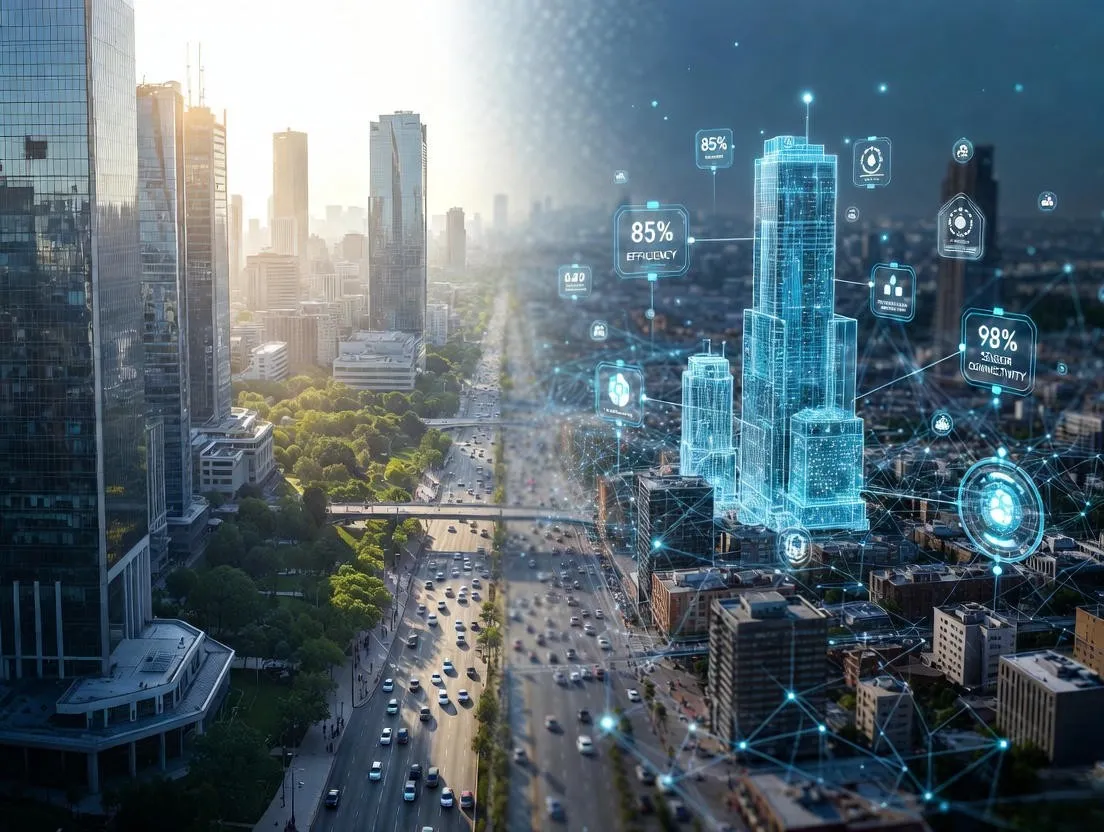
Sustainable Design Analysis: Environmental performance simulation tools integrated with 3D models enable architects and engineers to optimize energy efficiency, daylighting, thermal comfort, and carbon footprints during design phases. Building codes increasingly mandate sustainability assessments that require detailed digital models as analytical inputs.
Enhanced Client Presentations: Professional visualization services transform technical models into compelling marketing materials. Real estate developers present unbuilt properties through virtual reality experiences. Infrastructure agencies communicate project benefits to communities through animated simulations. These capabilities accelerate sales cycles, secure project approvals, and build public support for necessary developments.
The Evolution of BIM and Digital Collaboration
Building Information Modeling has evolved from simple 3D geometry to comprehensive information management platforms. Modern BIM workflows incorporate scheduling data (4D), cost information (5D), sustainability metrics (6D), and facility management specifications (7D). This progression reflects industry recognition that digital modeling delivers maximum value when it becomes the central repository for all project information, accessible to all stakeholders throughout design, construction, and operational phases.
How DS Technoverse Delivers Advanced 3D Modelling Solutions
DS Technoverse brings extensive experience in providing professional 3D Modelling services tailored to infrastructure development, engineering projects, and architectural applications. Our approach combines technical expertise, industry knowledge, and commitment to delivering solutions that directly support client decision-making and project success.
Comprehensive Technology Stack: Our modeling capabilities span industry-standard platforms for architectural design, structural engineering, MEP coordination, civil infrastructure, and industrial facilities. We employ point cloud processing for as-built documentation, parametric modeling for complex geometries, and reality capture technologies that ensure model accuracy aligns with existing site conditions. This technological breadth allows us to serve diverse client requirements across project types and complexity levels.
Experienced Professional Team: DS Technoverse’s modeling specialists bring practical engineering backgrounds combined with advanced digital skills. Our team understands not only how to create accurate 3D representations but also how these models support broader project objectives—constructability reviews, regulatory submissions, quantity estimation, and facility management planning. This dual perspective ensures deliverables provide genuine value rather than merely aesthetic visualization.
Data-Driven and Scalable Methods: We structure modeling projects around clearly defined information requirements, level-of-detail specifications, and data exchange protocols that align with client BIM execution plans and project delivery frameworks. Our workflows accommodate projects ranging from individual building designs to multi-kilometer infrastructure corridors, scaling processes and quality controls appropriately to project scope and complexity.
Standards Compliance and Quality Assurance: All DS Technoverse modeling deliverables conform to relevant national standards, client specifications, and industry best practices. We implement rigorous quality control procedures including model validation, clash detection analysis, and specification compliance checks before delivery. This discipline ensures our models integrate seamlessly with client workflows and meet regulatory requirements for project approvals and construction documentation.
Organizations seeking reliable 3D Modelling support for their infrastructure initiatives, architectural projects, or engineering designs find in DS Technoverse a partner committed to technical excellence and project success. Our services extend beyond model creation to encompass coordination support, design optimization recommendations, and constructability insights that leverage the full potential of digital modeling technologies.
Conclusion
Three-dimensional modeling has transcended its origins as a visualization tool to become the central methodology for designing, analyzing, and delivering complex projects across industries. As we progress through 2026, the integration of 3D Modelling with artificial intelligence, automation, and real-time collaboration platforms continues expanding capabilities and applications.
Organizations that embrace digital modeling gain competitive advantages through reduced project risks, improved stakeholder communication, enhanced design quality, and more efficient project delivery. The technology’s evolution toward comprehensive digital twins and smart infrastructure management ensures its relevance will only grow as projects become more complex and sustainability requirements more stringent. For firms serious about delivering superior project outcomes in modern competitive environments, professional 3D Modelling capabilities represent not merely an option but a necessity for continued success and industry leadership.
Frequently Asked Questions
What is 3D Modelling used for?
3D Modelling is used to create digital representations of buildings, infrastructure, mechanical systems, and industrial facilities. Applications include architectural design, structural engineering analysis, construction planning, manufacturing prototyping, urban planning, facility management, and client presentations. The technology enables visualization, coordination, analysis, and documentation across project lifecycles.
How does 3D Modelling help in engineering projects?
Engineering teams use 3D models to detect design conflicts, verify structural adequacy, optimize system layouts, coordinate multidisciplinary work, generate construction documentation, and communicate design intent. Models facilitate analysis of structural behavior, clash detection between systems, quantity takeoffs for procurement, and constructability reviews—all before physical construction begins, reducing errors and project costs.
Is 3D Modelling useful for infrastructure planning?
Absolutely. Infrastructure projects including highways, railways, tunnels, bridges, and utility networks rely heavily on 3D modeling for alignment optimization, earthwork calculation, drainage design, right-of-way visualization, and stakeholder engagement. Models integrate topographic surveys, geotechnical data, and existing infrastructure to support informed planning decisions and regulatory approvals.
Why choose professional 3D Modelling services?
Professional modeling providers bring specialized expertise in industry-standard software, understanding of engineering principles, knowledge of BIM workflows, and experience with project-specific requirements. Professional services ensure model accuracy, standards compliance, proper information structure, and deliverables that integrate seamlessly with client project processes—outcomes difficult to achieve with general drafting resources or inexperienced providers.
What is the difference between 3D Modelling and BIM?
3D Modelling creates three-dimensional geometric representations of objects or spaces. Building Information Modeling (BIM) extends beyond geometry to incorporate comprehensive project information—material specifications, cost data, scheduling, performance characteristics, and maintenance requirements. BIM represents an information management approach that uses 3D models as the visual framework for storing and accessing all project data throughout the asset lifecycle.