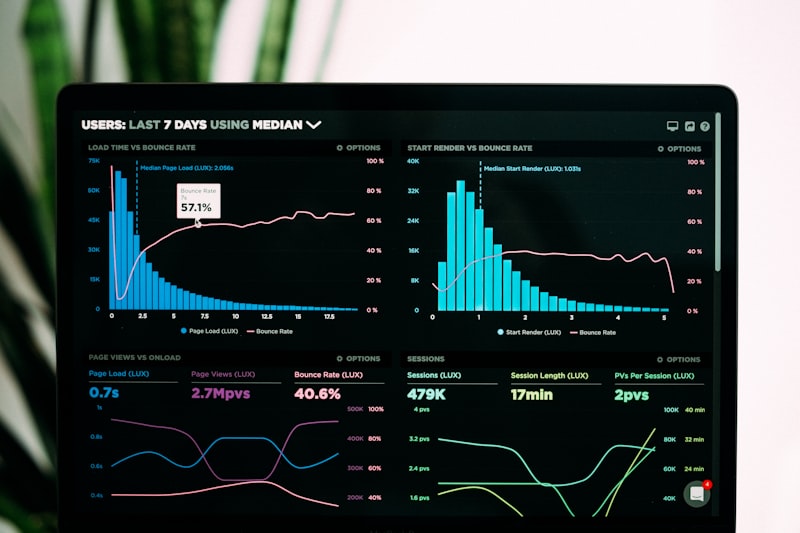
Quick answer: The main components of digital marketing are a website, search engine optimisation (SEO), local SEO and Google Business Profile, pay-per-click advertising, social media marketing, content marketing, email and WhatsApp marketing, influencer and affiliate marketing, online reputation management, and analytics with conversion tracking. Most businesses do not need all of them at once; they need the few that reach their customers, connected by tracking so they can see what produces enquiries.
Digital marketing covers every way a business reaches and converts customers online. The components below are the building blocks. Each one does a different job, costs money or time in a different way, and takes a different amount of time to show results.
The Components at a Glance
| Component | Main job | Cost type | Time to results |
|---|---|---|---|
| Website | Converts visitors into enquiries or sales | Build cost, then upkeep | Immediate once traffic arrives |
| SEO | Brings free traffic from Google searches | Time and expertise, ongoing | 3 to 12 months |
| Local SEO and Google Business Profile | Wins "near me" and city searches and map listings | Mostly time | Weeks to months |
| Pay-per-click (Google Ads) | Buys visibility for searches immediately | Pay per click, plus management | Days |
| Social media marketing | Builds awareness and trust; reaches people not yet searching | Content time, plus ad spend | Weeks to months |
| Content marketing | Answers customer questions; feeds SEO, social and email | Writing and design time | Months |
| Email and WhatsApp marketing | Follows up leads and keeps customers coming back | Low per message | Immediate for existing contacts |
| Influencer and affiliate marketing | Borrows other people's audiences and trust | Fees or commission | Campaign-based |
| Online reputation management | Builds and protects reviews and search results about you | Time, sometimes tools | Ongoing |
| Analytics and conversion tracking | Shows which components produce enquiries and sales | Set-up, then review time | Needed from day one |
1. Website
The website is where the other components send people, so it decides how much of the traffic becomes business. A good business website loads quickly on mobile, explains clearly what you offer and for whom, shows proof such as clients, case studies and reviews, and makes it easy to enquire by form, call or WhatsApp.
In India, most visitors arrive on a phone, often on a mobile network, so page speed and a visible call or WhatsApp button matter more than elaborate design. A website that gets traffic but no enquiries usually has a message or trust problem rather than a design problem. See our website design service.
2. Search Engine Optimisation (SEO)
SEO improves how your pages rank in Google's organic (unpaid) results. It has three parts:
- Technical SEO: the site can be crawled and indexed, loads fast, works on mobile and has no broken pages or duplicate content.
- On-page SEO and content: each important search has a page that answers it well, with a clear title, description, headings and useful content.
- Authority: other reputable sites link to and mention yours, which tells Google your content is trusted.
SEO is slow to start and cheap to sustain: once a page ranks, it keeps bringing visitors without paying per click. That makes it the backbone of long-term digital marketing for most businesses. See our SEO service.
3. Local SEO and Google Business Profile
For businesses serving a city or region, such as clinics, shops, consultants, labs and service companies, the Google map listing is often the most valuable single asset. A complete Google Business Profile with the right category, service areas, photos, opening hours and regular posts, plus a steady flow of genuine reviews, wins searches like "near me" and "in Indore".
Local SEO also covers consistent name, address and phone details across directories such as Justdial and IndiaMART, and location pages on your website for each city you serve.
4. Pay-Per-Click Advertising (PPC)
Pay-per-click advertising, mainly Google Ads in India, puts your business at the top of search results for chosen keywords, and you pay when someone clicks. It is the fastest way to get enquiries, useful for new businesses, seasonal offers and testing which keywords convert before investing in SEO.
What decides success is not the budget but the setup: tightly chosen keywords, negative keywords to block irrelevant searches, ads that match the search, a landing page that matches the ad, and conversion tracking so spending follows enquiries rather than clicks. Display, YouTube and Performance Max campaigns extend reach beyond search.
5. Social Media Marketing
Social media marketing uses platforms such as Instagram, Facebook, LinkedIn and YouTube to build awareness and trust, and paid social ads to reach people by location, interests and job role. It suits businesses with visual products or a strong story, and LinkedIn suits B2B services.
Organic posting builds credibility for people who check you out; paid campaigns on Meta (Facebook and Instagram) or LinkedIn generate leads. Choose one or two platforms where your customers actually spend time and do them well, rather than posting thinly everywhere.
6. Content Marketing
Content marketing means publishing material that answers your customers' questions: guides, articles, case studies, videos, calculators and checklists. Good content ranks in search, gives social media something worth sharing, gives email something worth sending, and convinces buyers you know your subject.
The best content topics come from the questions customers ask your sales team. A business that answers those questions in depth, honestly and with examples, usually outranks larger competitors with thinner content. See our content management service.
7. Email and WhatsApp Marketing
Email and WhatsApp keep in touch with people who already know you: enquiries that did not convert yet, past customers and subscribers. Messages are cheap, and they produce some of the highest returns in digital marketing because the audience is warm.
In India, WhatsApp is often more effective than email for small businesses and B2C, through the WhatsApp Business app for small volumes or the WhatsApp Business API for broadcasts, automated replies and integration with a CRM. Messages must go only to people who have opted in, and template messages must follow WhatsApp's rules. Email remains strong for B2B, newsletters and longer content. Connecting both to a CRM makes follow-up systematic rather than dependent on memory.
8. Influencer and Affiliate Marketing
Influencer marketing pays creators to feature your product to their audience. It works well for consumer brands, and smaller, niche creators often deliver better engagement and value than large ones.
Affiliate marketing pays partners a commission for sales or leads they bring, through tracked links. It suits e-commerce, education and subscription businesses with clear online conversions.
Both need clear agreements, tracking and disclosure: influencer posts must be labelled as paid partnerships under Indian advertising guidelines.
9. Online Reputation Management
Before buying, most customers search the business name and read reviews. Online reputation management covers asking satisfied customers for reviews, responding professionally to every review, including negative ones, monitoring mentions, and making sure the first page of results about your brand shows accurate, positive information. A handful of unanswered negative reviews can undo the effect of every other component. See our online reputation management service.
10. Analytics and Conversion Tracking
Analytics is the component that tells you whether the others work. At minimum:
- Google Analytics 4 to measure visitors, sources and behaviour.
- Conversion tracking for every enquiry route: form submissions, phone clicks, WhatsApp clicks and purchases.
- Google Search Console to see which searches show your site and how often people click.
- Ad platform tracking so Google Ads and Meta optimise for enquiries, not just clicks.
- CRM source tracking so you know which enquiries became customers, not just which became leads.
Without tracking, budgets follow opinions. With it, they follow results.
How the Components Fit Together
The components work as a system, often described as a funnel:
- 1Awareness: social media, content, influencers and display ads introduce the business to people.
- 2Consideration: search (SEO and PPC), the website, reviews and content help people compare and decide.
- 3Conversion: the website, landing pages, WhatsApp and calls turn interest into an enquiry or sale.
- 4Retention and referral: email, WhatsApp, reviews and good service bring customers back and bring their friends.
A weakness at any stage limits the whole system. Doubling ad spend into a website that does not convert just doubles the waste.
Example: Splitting a Monthly Budget
Suppose a B2B services company in Indore has ₹60,000 a month for digital marketing and wants enquiries from across India. A sensible starting split might be:
| Component | Share | What it pays for |
|---|---|---|
| SEO and content | 40% | Two to four in-depth pages a month, technical fixes, link building |
| Google Ads | 35% | Search campaigns on the highest-intent keywords, with management |
| LinkedIn and social | 10% | Regular posts and a small test campaign |
| Reputation and Google Business Profile | 5% | Review requests and profile updates |
| Analytics, CRM and WhatsApp follow-up | 10% | Tracking, reporting and lead follow-up |
After three months, the tracking data shows which channels produce enquiries at the lowest cost, and the split moves towards them. A consumer brand would shift more to social media and influencers; a local clinic would weight Google Business Profile and local SEO far more heavily.
Metrics for Each Component
| Component | Useful metrics |
|---|---|
| Website | Conversion rate, enquiries, bounce rate on key pages, page speed |
| SEO | Impressions, clicks, average position for target searches, organic enquiries |
| Local SEO | Map views, calls and direction requests from the profile, review count and rating |
| PPC | Cost per click, conversion rate, cost per enquiry, cost per customer |
| Social media | Reach, engagement rate, leads and cost per lead for paid campaigns |
| Content | Rankings, time on page, enquiries from content pages |
| Email and WhatsApp | Delivery, open and reply rates, conversions |
| Reputation | Average rating, number of new reviews, response time |
Vanity metrics such as followers and impressions matter only if they lead to enquiries. The one number every business should track monthly is cost per enquiry by channel.
Common Mistakes
- Spending on ads before the website can convert visitors
- Being on every social platform but consistent on none
- Running Google Ads without conversion tracking or negative keywords
- Ignoring Google Business Profile and reviews
- Expecting SEO results in weeks, then stopping just before it works
- Measuring followers instead of enquiries and sales
- Not following up enquiries quickly, so paid leads go cold
Frequently Asked Questions
What are the main components of digital marketing? Website, SEO, local SEO and Google Business Profile, pay-per-click advertising, social media marketing, content marketing, email and WhatsApp marketing, influencer and affiliate marketing, online reputation management, and analytics.
Which digital marketing component is most important? For most businesses, the website and tracking come first, because every other component depends on them. After that, search (SEO and Google Ads) usually brings the highest-intent enquiries, while social media matters most for consumer brands.
What are the 4 Ps in digital marketing? Product, price, place and promotion, the classic marketing mix, applied online: what you offer, how it is priced, where it is sold (your website, marketplaces), and how it is promoted through the components above.
How much should a small business spend on digital marketing? It depends on goals and margins, but many small businesses start with a modest monthly budget focused on two or three components, then increase spending on whichever channel shows the lowest cost per enquiry.
Can I do digital marketing myself? Yes, for basics like Google Business Profile, social posting and simple email or WhatsApp follow-up. SEO, Google Ads and tracking set-up benefit from specialist help, because mistakes there waste money quietly.
How long does digital marketing take to work? Google Ads can bring enquiries within days. Local SEO and social media take weeks to months. SEO and content usually take three to twelve months to build steady results.
Looking for help putting these components together? See our digital marketing services in Indore, or talk to our team.