

Game Development: Build Your Desire Game Here
Introduction
The gaming industry has evolved into one of the most dynamic and profitable sectors globally, with interactive experiences becoming integral to entertainment, education, and business engagement. Game Development represents the creative and technical process of transforming conceptual ideas into engaging digital experiences that captivate millions of players worldwide. In 2026, the demand for innovative gaming solutions spans mobile applications, console titles, and PC platforms, creating unprecedented opportunities for developers and businesses alike.
From casual mobile games that entertain during brief moments to complex multiplayer experiences that build entire communities, video game development combines artistic vision with technological expertise. Professional game development ensures that creative concepts translate into polished, performant, and compelling interactive gaming experiences that resonate with target audiences and achieve commercial success in an increasingly competitive marketplace.
What Is Game Development?
Game development encompasses the entire process of creating interactive digital entertainment, from initial concept through final release and ongoing support. This multidisciplinary field combines game design principles, programming expertise, artistic creation, sound engineering, and quality assurance to produce cohesive gaming experiences across various platforms and genres.
While game design focuses on mechanics, rules, narratives, and player experience architecture, game development translates these designs into functional software through programming, asset creation, and technical implementation. Modern game development process leverages sophisticated game engines like Unity game development and Unreal Engine development platforms that provide frameworks for physics simulation, rendering, audio processing, and cross-platform deployment capabilities.
Key Stages of the Game Development Process
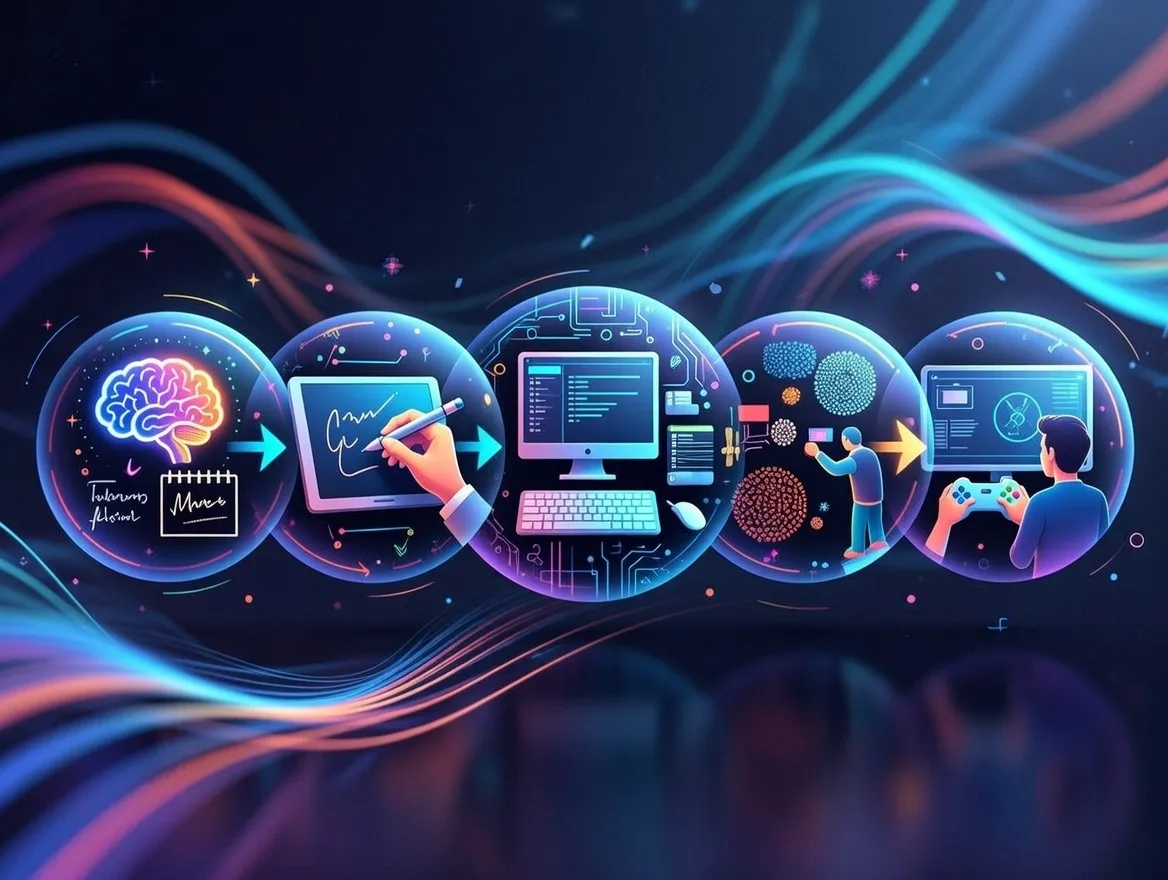
Successful game development follows structured phases that transform abstract concepts into market-ready products. Understanding these stages helps stakeholders appreciate the complexity and coordination required to deliver quality gaming experiences.
Concept and Planning: Development begins with concept validation where creative teams define core gameplay mechanics, target audiences, platform requirements, and project scope. This planning phase establishes technical specifications, resource requirements, development timelines, and budget allocations that guide subsequent production activities.
Game Design and Mechanics: Designers create detailed documentation specifying game rules, progression systems, character abilities, level structures, and user interface layouts. This stage defines how players interact with the game world, what challenges they encounter, and how systems interconnect to create engaging gameplay loops that sustain player interest.
Development and Programming: Game programming teams implement designed systems using appropriate languages and frameworks. Developers build core functionality, integrate assets, program artificial intelligence behaviors, implement physics systems, and establish networking infrastructure for multiplayer features. This technical implementation phase transforms design documents into executable software.
Testing and Quality Assurance: Rigorous testing identifies bugs, performance issues, balance problems, and user experience friction points before public release. Quality assurance teams conduct functionality testing, performance profiling, compatibility verification across devices, and gameplay balance assessment to ensure polished final products that meet quality standards.
Launch and Post-Release Updates: Successful launches require marketing coordination, platform submission processes, and server infrastructure preparation. Post-release support includes monitoring player feedback, addressing discovered issues through patches, releasing additional content, and maintaining community engagement to extend product lifecycles and maximize return on development investment.
Types of Game Development
Game development encompasses diverse approaches tailored to different platforms, player preferences, and business models. Understanding these categories helps organizations select appropriate development strategies for their objectives.
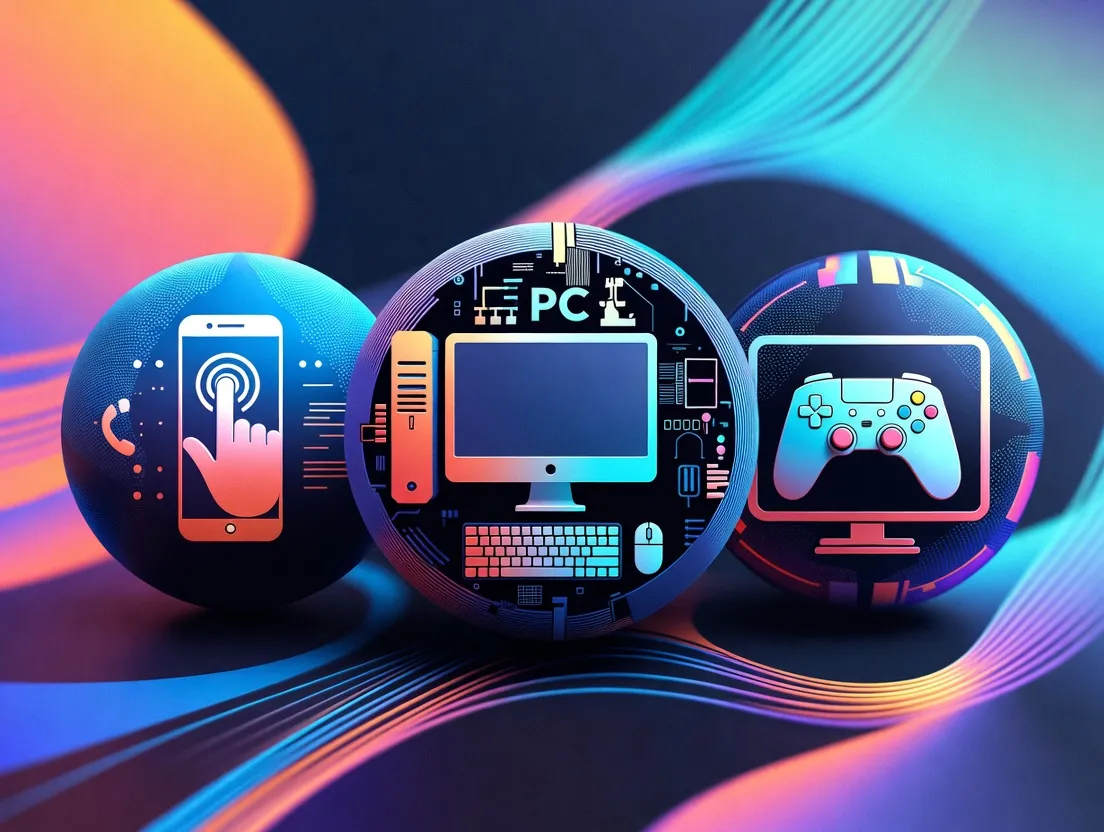
Mobile Game Development: Mobile platforms dominate player accessibility with billions of potential users. Mobile game development optimizes experiences for touch interfaces, shorter play sessions, and varied device capabilities while addressing platform-specific requirements for iOS and Android ecosystems.
PC and Console Game Development: Traditional gaming platforms enable more complex experiences leveraging superior hardware capabilities. PC and console game development produces graphically intensive titles with sophisticated mechanics, extensive content, and deeper gameplay systems that appeal to dedicated gaming audiences.
2D and 3D Game Development: Visual presentation styles influence development approaches significantly. 2D games often emphasize artistic style, precise controls, and creative mechanics, while 3D games provide immersive environments, realistic physics, and spatial exploration opportunities that require different technical expertise and asset production pipelines.
Single-Player vs Multiplayer Games: Player interaction models shape technical architecture fundamentally. Single-player experiences focus on narrative delivery, progression pacing, and individual challenge design. Multiplayer games require robust networking infrastructure, matchmaking systems, anti-cheat protection, and ongoing balance maintenance to sustain healthy player communities.
Technologies and Tools Used in Game Development
Modern game development relies on sophisticated software ecosystems that accelerate production timelines and enable teams to achieve professional quality across platforms.
Game Engines: Comprehensive development environments like Unity and Unreal Engine provide integrated toolsets for rendering, physics simulation, animation, audio processing, and cross-platform deployment. These game engines dramatically reduce technical overhead, allowing developers to focus creative energy on unique gameplay features rather than low-level system implementation.
Programming Languages: Game programming employs languages suited to performance requirements and platform targets. C++ remains prevalent for performance-critical systems, while C# dominates Unity development. Modern frameworks also embrace scripting languages for rapid prototyping and gameplay logic implementation that accelerates iteration cycles during production.
Graphics, Animation, and Sound Tools: Asset creation requires specialized software for 3D modeling, texture painting, animation rigging, visual effects composition, and audio production. Professional pipelines integrate tools like Blender, Maya, Photoshop, Substance Painter, and digital audio workstations to produce polished visual and auditory content that meets contemporary quality expectations.
Why Game Development Is a Growing Industry
The gaming sector continues expanding beyond traditional entertainment into education, corporate training, marketing, and social platforms. This diversification drives sustained industry growth and creates opportunities for specialized development expertise.
Expanding Gaming Market: Global player populations grow annually across all demographics, with mobile accessibility bringing gaming to billions who never engaged with traditional consoles. Revenue streams from premium sales, subscriptions, and in-game purchases generate substantial returns that attract continued investment and talent into the sector.
Games in Education and Training: Interactive experiences prove remarkably effective for skill development, knowledge retention, and behavioral modification. Educational institutions and corporations increasingly leverage game mechanics and immersive simulations for training programs, demonstrating gaming technology’s value beyond pure entertainment applications.
Career and Business Opportunities: The gaming industry offers diverse career paths spanning programming, art, design, production, marketing, and community management. Independent developers can reach global audiences through digital distribution, while established studios undertake ambitious projects that push creative and technical boundaries, creating vibrant ecosystems that support thousands of professionals worldwide.
Choosing the Right Game Development Approach
Successful projects require strategic decisions about team composition, technology selection, and production methodologies aligned with project goals and constraints.
Importance of Skilled Developers: Game development demands specialized expertise across multiple disciplines. Professional teams bring experience with production pipelines, platform requirements, performance optimization, and quality standards that separate polished commercial products from amateur efforts. Investing in skilled talent directly impacts final product quality and market competitiveness.
Understanding Target Audience: Development decisions must align with player preferences, platform behaviors, and genre expectations. Thorough audience research informs appropriate complexity levels, monetization strategies, visual styles, and feature priorities that maximize engagement within specific player communities and market segments.
Balancing Performance, Design, and User Experience: Technical performance, creative vision, and player accessibility must harmonize throughout development. Optimization ensures smooth gameplay across target hardware, while intuitive interfaces and responsive controls create satisfying moment-to-moment interactions. Professional development balances these considerations to deliver experiences that perform reliably while remaining engaging and accessible to intended audiences.
Conclusion
Game development has matured into a sophisticated discipline that combines artistic creativity with technical expertise to produce interactive experiences enjoyed by billions globally. As technology advances and platforms diversify, opportunities expand for developers who master the complex interplay of design, programming, and player psychology that defines successful gaming products.
Organizations seeking to enter the gaming market or expand their interactive offerings benefit from partnering with experienced development teams who understand industry standards, player expectations, and production realities. The future of gaming promises continued innovation through emerging technologies, new platforms, and creative approaches that will redefine how people engage with digital entertainment, education, and social experiences in years to come.
Frequently Asked Questions
What is game development used for?
Game development creates interactive digital experiences for entertainment, education, training, marketing, and social engagement. Applications range from mobile casual games and PC titles to console productions, educational simulations, corporate training programs, and branded marketing experiences that leverage gaming mechanics to engage audiences effectively.
What are the main stages of the game development process?
The game development process includes concept and planning, game design and mechanics definition, development and programming implementation, testing and quality assurance, and launch with post-release updates. Each stage requires specialized expertise and careful coordination to transform initial concepts into polished, market-ready gaming products.
What is the difference between 2D and 3D game development?
2D game development creates experiences using two-dimensional graphics, often emphasizing artistic style and precise controls. 3D game development builds immersive environments with depth, realistic physics, and spatial exploration. Each approach requires different technical skills, asset production workflows, and design considerations suited to specific game genres and player expectations.
Which game engines are most popular for development?
Unity and Unreal Engine dominate professional game development as comprehensive platforms offering rendering systems, physics simulation, animation tools, and cross-platform deployment capabilities. Unity excels in mobile and indie development with accessible workflows, while Unreal Engine powers high-fidelity experiences for PC and console productions requiring advanced graphics.
Why should businesses invest in professional game development services?
Professional game development ensures quality through experienced teams who understand platform requirements, performance optimization, player psychology, and industry standards. Professional services deliver polished products that compete effectively in crowded markets, avoid costly mistakes during production, and create engaging experiences that achieve business objectives and player satisfaction simultaneously.