

Carbon Credit Solutions in Indore – Build a Sustainable Future with DSTechnoverse
Transform your business with smart, scalable carbon credit management. Achieve sustainability goals while unlocking new revenue opportunities through comprehensive carbon solutions across Indore.
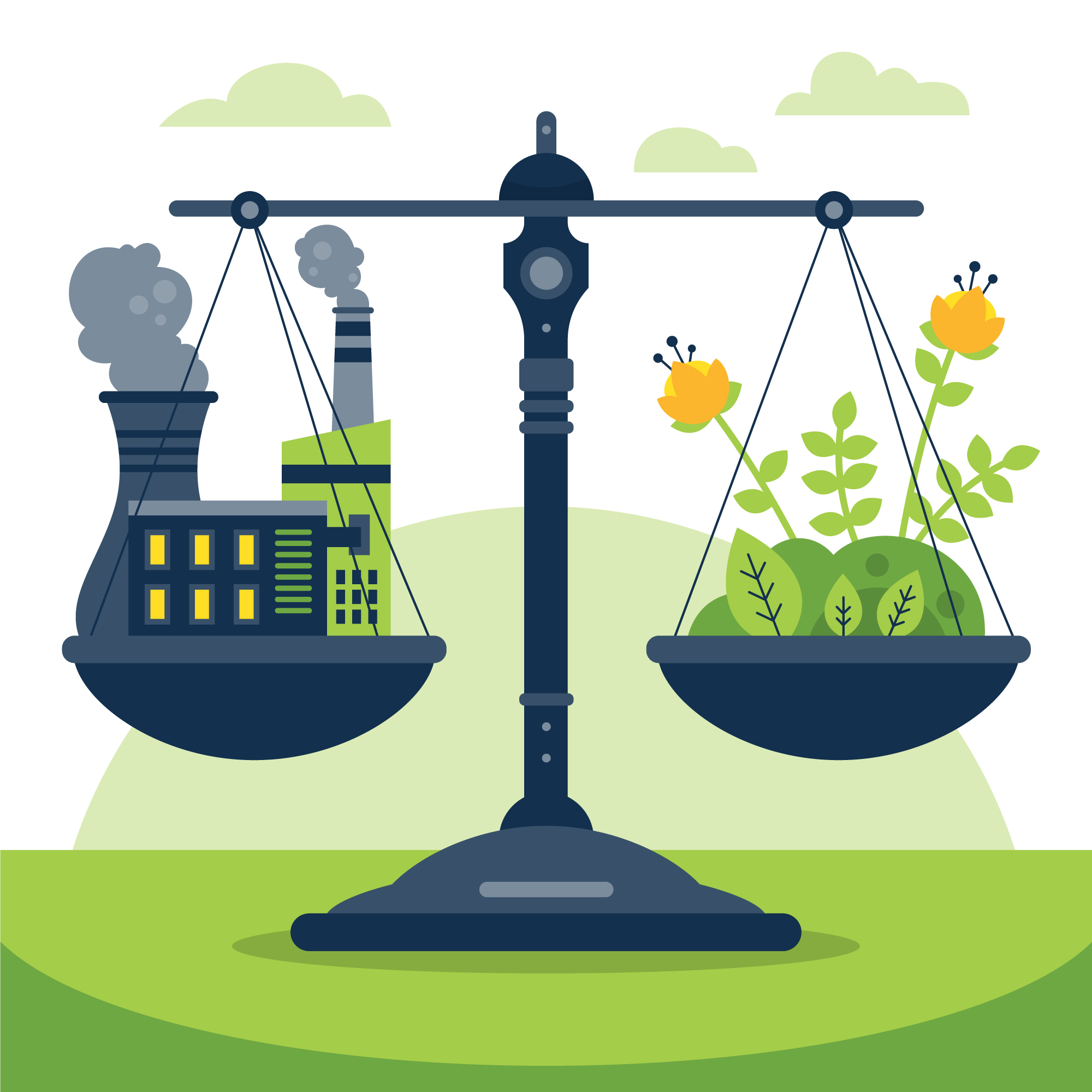
Climate change is no longer a distant challenge—it’s a pressing reality that businesses across Indore face today. From regulatory compliance to achieving net-zero targets, organizations are actively seeking measurable, impactful ways to reduce their environmental footprint. This is where comprehensive carbon credit solutions become essential for sustainable business growth.
At DSTechnoverse, we empower Indore businesses, institutions, and developers to take decisive action toward their sustainability goals. Our end-to-end carbon credit solutions encompass carbon footprint assessment, project registration, offset monetization, ESG compliance, and strategic advisory services across all major standards, sectors, and markets in Indore.
Understanding Carbon Credits in Indore
Carbon credits are measurable, verifiable emission reductions from certified climate action projects. Each carbon credit represents one tonne of carbon dioxide or its equivalent greenhouse gas that has been prevented from entering the atmosphere or has been removed from it. In Indore rapidly evolving environmental landscape, carbon credits have become a crucial tool for businesses to demonstrate climate leadership while generating economic value.
How Carbon Credits Work
Organizations that reduce emissions below a baseline level earn carbon credits. These credits can be sold to other companies seeking to offset their emissions, creating a market-based incentive for climate action. Indore carbon market includes both voluntary markets and emerging compliance mechanisms under the Indore Carbon Credit Trading Scheme (CCTS).
The Indian government’s commitment to achieving net-zero emissions by 2070, coupled with the implementation of the CCTS under the Energy Conservation Act, has created unprecedented opportunities for businesses to participate in carbon markets. Companies across sectors—from manufacturing and energy to agriculture and waste management—can now monetize their sustainability initiatives while contributing to national climate goals.
Types of Carbon Credit Projects in Indore
1. Renewable Energy Projects
Solar, wind, biomass, and small hydroelectric projects that displace fossil fuel-based electricity generation. These projects are among the most common carbon credit generators in India, benefiting from strong government support through policies like the National Solar Mission and favorable tariff structures.
2. Energy Efficiency Initiatives
Industrial process optimization, efficient lighting systems, high-efficiency motors, waste heat recovery, and building energy management systems. These projects not only generate carbon credits but also deliver significant operational cost savings through reduced energy consumption.
3. Forestry and Land Use Projects
Afforestation, reforestation, forest conservation, sustainable forest management, and agroforestry initiatives. India’s vast agricultural landscape and forest restoration programs create substantial opportunities for nature-based carbon credit generation while supporting rural livelihoods.
4. Waste Management Solutions
Landfill gas capture and utilization, composting programs, waste-to-energy facilities, and circular economy initiatives. With India’s growing urban population, effective waste management projects offer dual benefits of emission reduction and improved public health outcomes.
5. Agricultural Carbon Projects
Sustainable agricultural practices, soil carbon sequestration, precision farming, biogas production from animal waste, and rice cultivation methane reduction. Agriculture remains a key sector for carbon credit development given India’s large farming community and traditional practices ready for sustainable transformation.
6. Industrial Process Improvements
Cement industry optimization, steel manufacturing efficiency, chemical process improvements, and fuel switching projects. India’s industrial sector has significant potential for emission reductions through technology upgrades and process innovation.
Carbon Credit Standards and Certifications
Credibility and market acceptance of carbon credits depend on robust verification standards. DSTechnoverse works with all major international and national carbon standards to ensure your projects meet the highest quality benchmarks.
VERRA (Verified Carbon Standard)
The world’s largest voluntary carbon market program, VCS has certified hundreds of projects in India across renewable energy, forestry, and industrial efficiency sectors. Projects under VCS undergo rigorous third-party validation and verification to ensure emission reductions are real, measurable, and permanent.
Gold Standard
Recognized for its stringent requirements and focus on sustainable development benefits beyond carbon reduction. Gold Standard projects must demonstrate positive impacts on local communities and ecosystems, making them highly valued in premium carbon markets.
Clean Development Mechanism (CDM)
Established under the Kyoto Protocol, CDM has been instrumental in bringing carbon credit projects to Indore. While the compliance phase has evolved, CDM methodologies continue to inform project design and provide credible frameworks for emission reduction quantification.
Indore Carbon Credit Trading Scheme (CCTS)
India’s national carbon market mechanism launched under the Energy Conservation Act creates domestic compliance obligations and trading opportunities. CCTS focuses initially on energy-intensive industries and is expected to expand to additional sectors, creating growing demand for domestically generated carbon credits.
International REC Standard (I-REC)
Specifically for renewable energy attribute tracking, I-REC provides transparent documentation of renewable electricity generation. Many corporate buyers in India and internationally recognize I-REC certificates for their renewable energy procurement claims.

Carbon Credit Market Opportunities in Indore
India’s Carbon Market Growth
Indore voluntary carbon market has shown remarkable growth, with project registrations increasing significantly year-over-year. The introduction of CCTS is expected to create additional demand for domestically generated credits, while international buyers continue to seek high-quality Indore projects for their global offset portfolios.
Voluntary Carbon Markets
Corporate sustainability commitments, net-zero pledges, and ESG reporting requirements are driving unprecedented demand for voluntary carbon credits. Indian projects benefit from cost competitiveness, diverse project types, and substantial co-benefits including employment generation and community development.
Compliance Markets
The CCTS establishes mandatory obligations for energy-intensive industries to meet emission intensity targets or purchase carbon credits. This creates predictable demand and supports long-term project investment decisions. State-level initiatives and sector-specific regulations further expand compliance market opportunities.
International Carbon Markets
Article 6 of the Paris Agreement enables international carbon credit trading, opening new avenues for Indore projects to access global carbon markets. Bilateral agreements with countries like Singapore, Switzerland, and Japan are creating structured pathways for credit exports.
Premium Credit Segments
Projects with strong sustainable development co-benefits, community involvement, and biodiversity protection command premium prices. Indian projects in forestry, rural energy access, and waste management often qualify for these high-value market segments.
Carbon Credit Market Statistics
Our Comprehensive Carbon Credit Solutions
DSTechnoverse offers a complete suite of carbon management services designed to support your organization’s unique sustainability journey from initial assessment through credit monetization.
Carbon Footprint Assessment
Comprehensive measurement and analysis of your organization’s Scope 1, 2, and 3 emissions. We provide detailed GHG inventories aligned with international standards including ISO 14064, GHG Protocol, and Science Based Targets initiative (SBTi).
Project Development & Registration
End-to-end support for developing and registering carbon offset projects under VERRA, Gold Standard, CDM, and India CCTS. From methodology selection to validation and verification, we ensure your projects meet the highest quality standards.
Carbon Trading & Monetization
Strategic advisory for buying, selling, and retiring carbon credits in both voluntary and compliance markets. We help you navigate market dynamics, pricing strategies, and maximize the value of your carbon assets.
ESG Strategy & Reporting
Comprehensive ESG consulting including materiality assessments, stakeholder engagement, sustainability reporting for GRI, CDP, BRSR, and TCFD frameworks. We help you integrate climate considerations into core business strategy.
Regulatory Compliance
Expert guidance on navigating India’s evolving carbon regulations, including compliance with Bureau of Energy Efficiency (BEE) mandates, PAT schemes, and emerging carbon market frameworks established by MoEFCC and SEBI.
Technology & Innovation
Advanced monitoring, reporting, and verification (MRV) systems using IoT sensors, satellite imagery, and blockchain technology. Our tech-enabled approach ensures accuracy, transparency, and real-time project tracking.
Our Carbon Credit Development Process
DSTechnoverse follows a structured, transparent approach to ensure successful carbon project development and credit generation.
Assessment & Feasibility
Comprehensive evaluation of your operations, emission sources, and carbon credit potential. We identify the most viable opportunities based on technical feasibility, financial returns, and strategic alignment with your business objectives.
Project Design & Documentation
Detailed project design including methodology selection, baseline determination, monitoring plan development, and preparation of Project Design Documents (PDD) meeting certification standards.
Validation & Registration
Coordination with accredited third-party validators, addressing audit findings, and securing project registration with appropriate carbon standards and registries.
Implementation & Monitoring
Support for project implementation, establishing monitoring systems, data collection protocols, and ensuring ongoing compliance with approved monitoring plans.
Verification & Credit Issuance
Preparation of monitoring reports, coordination with verification bodies, and management of the credit issuance process with relevant registries.
Trading & Monetization
Strategic advisory for credit marketing, buyer identification, price negotiation, and transaction management to maximize financial returns while maintaining project integrity.

Key Benefits of Carbon Credit Solutions
- Revenue Generation: Monetize emission reduction efforts through carbon credit sales in growing domestic and international markets, creating new income streams from sustainability investments.
- Cost Optimization: Energy efficiency and waste reduction projects typically generate operational savings exceeding implementation costs, delivering positive ROI even before carbon credit revenues.
- Regulatory Compliance: Stay ahead of India’s evolving environmental regulations and carbon trading schemes with proactive compliance strategies and expert guidance.
- Brand Enhancement: Demonstrate environmental leadership and corporate responsibility, enhancing reputation with customers, investors, employees, and communities.
- Risk Mitigation: Prepare for carbon pricing mechanisms, supply chain requirements, and climate-related financial risks before they become mandatory obligations.
- Access to Green Finance: Unlock preferential financing, sustainability-linked loans, green bonds, and climate funds through credible carbon reduction commitments.
- Competitive Advantage: Differentiate products and services in markets increasingly demanding sustainable supply chains, carbon neutrality, and verified environmental claims.
- Innovation Driver: Carbon credit projects often catalyze broader innovation in operations, technology adoption, and business model transformation toward sustainability.
Why Choose DSTechnoverse for Carbon Credit Solutions
- Deep Market Knowledge: Extensive experience across Indian carbon markets, regulatory frameworks, and industry-specific challenges with proven project success across multiple sectors.
- Multi-Standard Expertise: Certified capabilities across VERRA, Gold Standard, CDM, CCTS, and I-REC standards, ensuring optimal standard selection for your project objectives.
- Technology Integration: Advanced MRV systems leveraging IoT, satellite monitoring, AI analytics, and blockchain for transparent, efficient project management and verification.
- End-to-End Support: Comprehensive services from initial assessment through credit monetization, providing continuity and accountability throughout the project lifecycle.
- Local Presence: Teams based across India including Indore, ensuring on-ground support, cultural understanding, and effective stakeholder engagement.
- Financial Optimization: Strategic approach to maximizing project revenues through optimal timing, buyer selection, and market intelligence.
- Transparent Processes: Clear communication, realistic timelines, and regular reporting ensure you remain informed and confident throughout project development.
Frequently Asked Questions About Carbon Credits

Ready To Start Your Carbon Credit Journey?
Contact us today to schedule a consultation and discover how carbon credit solutions can transform your business while contributing to India’s climate goals.
Get Started TodayIndustries We Transform With Our Carbon Solutions
Media & Entertainment
Transportation & Logistics
Financials & Banking
Travel & Hospitality
Healthcare & Medicine
Advertising & Marketing
Drop Us Message For Any Query
Have questions or need assistance? At Dstechnoverse, we’re here to help! Reach out to us via phone, email, or the form below. Let’s work together to grow your business!